What makes a good event photograph
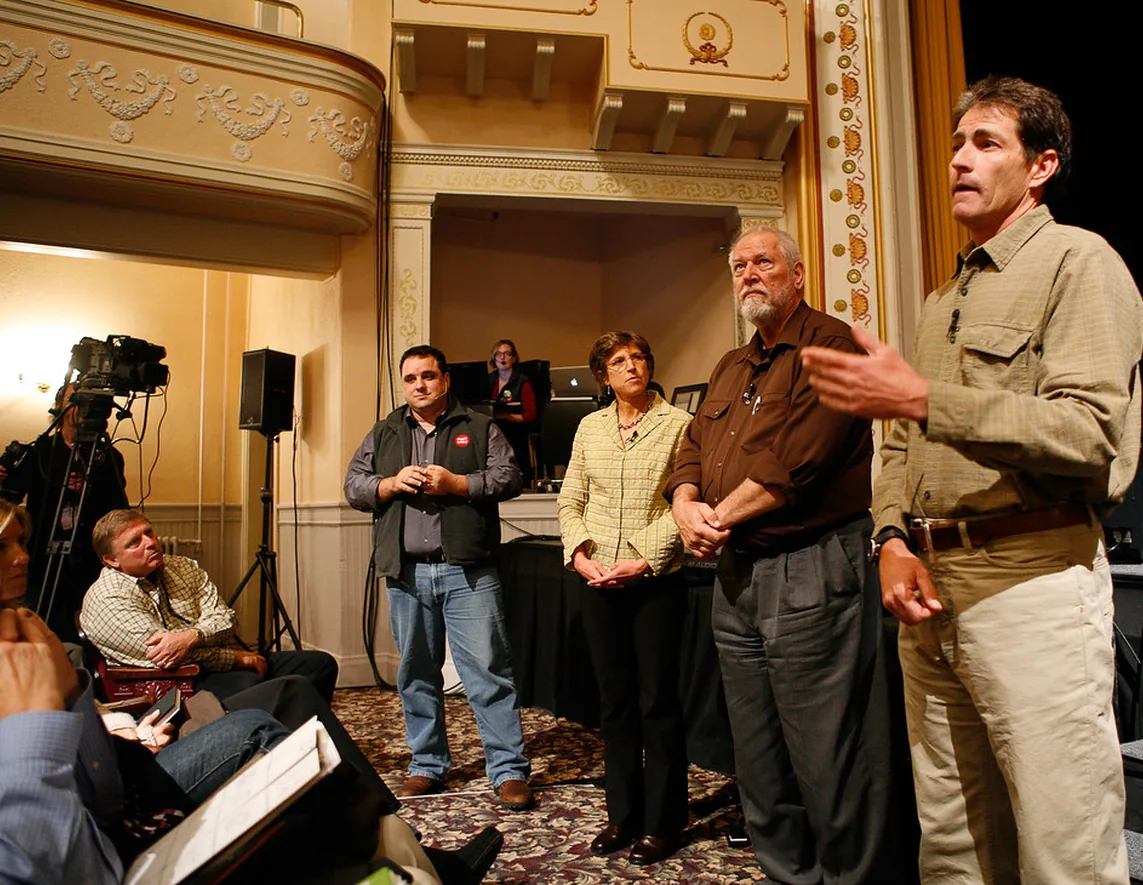
Event photography has a reputation for producing a lot of images that look the same: people standing with drinks, a speaker at a lectern, a group photo at the end. The brief for most events is broader than that, and the images that actually get used tend to be the ones that tell a story rather than document a room.
The difference between coverage and storytelling
Coverage means you were there and you photographed things. Storytelling means the images, taken together, give someone who wasn't there a sense of what it felt like. Both matter, but the second one is harder and more useful.
For a community event or a cultural gathering, the storytelling images are usually the ones that show people in genuine moments: a conversation that's clearly going well, a child watching something with complete attention, a speaker who's forgotten the camera is there. Those images don't happen by being in the right place at the right time; they happen by watching carefully and being patient.
Working quietly
The best event photography is mostly invisible. If people are aware of the camera, they perform for it, and the images look like people performing. The way to avoid this is to move slowly, stay at the edges of conversations rather than the centre, and wait for moments rather than creating them.
This is also why flash photography at events tends to produce a particular kind of image: everyone looks slightly startled and the background goes black. Available light, even in a dim room, usually produces images that feel more like the event actually felt.
What to ask for when you commission event photography
Be specific about what the images are for. If they're going into a funding report, you need images that show the scale and diversity of the event. If they're for social media, you need images that work at small sizes and tell a story quickly. If they're for a press release, you need one or two strong single images rather than a gallery.
Knowing this before the shoot shapes the whole approach. It's worth a 20-minute conversation before the day rather than a long email exchange after the gallery arrives.
- Agree on the deliverable format before the shoot
- Specify whether you need wide shots, detail shots or portraits
- Confirm the turnaround time you need
- Discuss whether any moments are specifically important to capture
If you have an event coming up this autumn and want to talk through what coverage would look like, the contact page is the right place to start.