Understanding natural light in portrait photography
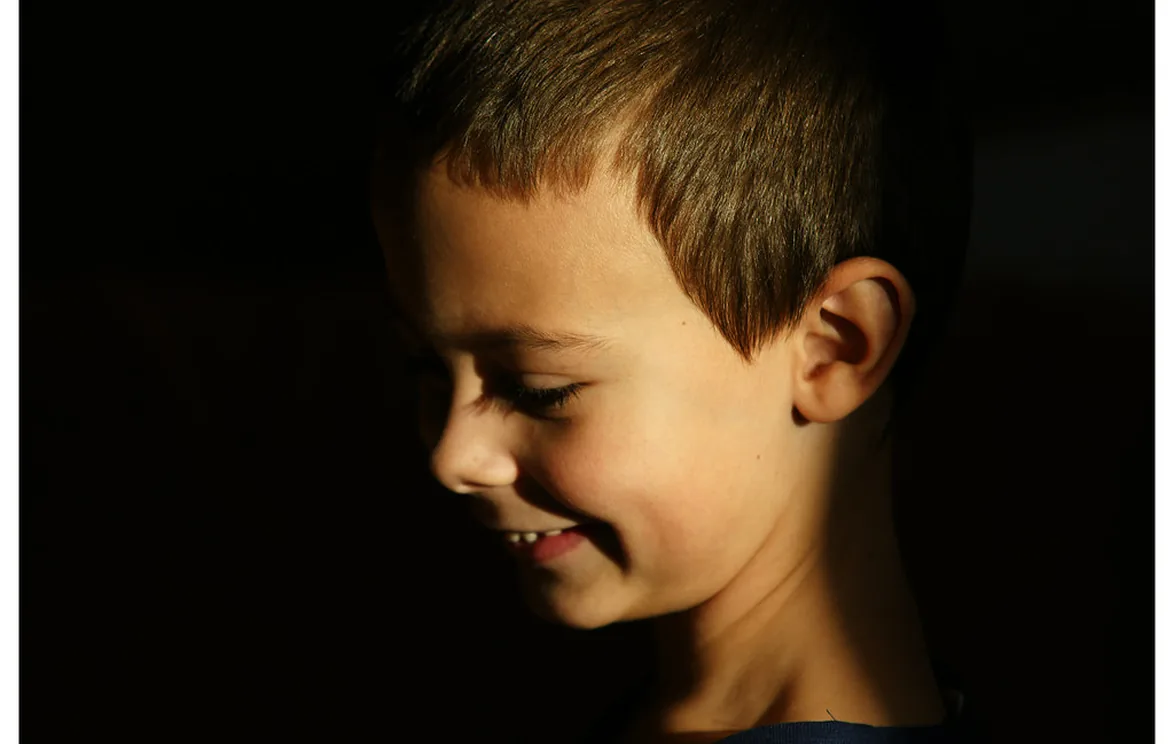
Natural light is not one thing. The light at 8am through a north-facing window is completely different from the light at 3pm through the same window, and both are different again from the light on an overcast afternoon outdoors. Understanding those differences is the single most useful thing you can learn as a photographer, or as someone commissioning portrait work.
Direction matters more than brightness
The direction light comes from determines where the shadows fall on a face, and shadows are what give a portrait its shape and depth. Light coming from directly in front of a subject flattens everything out. Light from the side creates dimension. Light from slightly above and to one side, which is roughly what a large window gives you on a clear morning, is where most portrait photographers spend most of their time.
You don't need a studio to get this right. A room with a large window and a plain wall opposite it is a very capable portrait setup. The wall acts as a reflector, bouncing some light back into the shadow side of the face and keeping the contrast manageable.
Overcast days are underrated
Direct sun is difficult for portraits. It creates hard shadows, causes people to squint, and moves fast enough that you're constantly adjusting. An overcast sky turns the whole sky into a giant soft light source, which is much more forgiving.
This is why a lot of outdoor portrait work looks better on grey days than on sunny ones. The light is even, the shadows are soft, and you can position a subject anywhere without worrying about the sun angle. The colours also tend to be more accurate, because there's no strong colour cast from direct sunlight.
The hour before sunset
The light in the hour before sunset is lower in the sky, warmer in colour and softer in quality than midday light. It's genuinely easier to work with for outdoor portraits, and it has a quality that's hard to replicate artificially.
The practical catch is that it moves quickly. You have maybe 40 minutes of good light before it's gone, so it's worth having a clear plan for that window rather than improvising. For family sessions and relaxed outdoor portraits, this is usually the time we aim for when the season allows it.
Light is the thing you can't fix in post-production. Everything else is adjustable; the quality of light in the original frame is not. It's worth thinking about before you book.